Be yourself; Everyone else is already taken.
— Oscar Wilde.
This is the first post on my new blog. I’m just getting this new blog going, so stay tuned for more. Subscribe below to get notified when I post new updates.
nothing but love, food and lovers of food.
Be yourself; Everyone else is already taken.
— Oscar Wilde.
This is the first post on my new blog. I’m just getting this new blog going, so stay tuned for more. Subscribe below to get notified when I post new updates.
As the preparation for this podcast was my first ever attempts to creating an opinionated audio file, I faced various challenges and had to be strategic in order to be effective.
My podcast places an emphasis on how social media can provide opportunities for online activists to thrive online through gaining support and creating public awareness of social issues. I also briefly discuss risks that becoming an activist can lead to, as a result of the dangers of technology. The controversial opinion that online activism is not as effective as in person is also contended, through factual presentation of the positive effects online campaigns have had on real life social issues.
When creating my podcast, I wanted to highlight both the potentialities and risks associated with social media activism, but maintain a clear contention that online channels are beneficial and effective in driving change. I did this by constantly referring back to my belief and consistently highlighting facts to back it up.
I intentionally focused on events that are recent or popular in the media in order to engage my audience and provide a relatable basis for them to form their opinion against. Whilst being argumentative, I tried to be inclusive and open.
My podcast came as a result of much research, which I frequently referred to. I found using direct quotes from other media sources and academic journals made my appeal more credible, and in turn led to a significantly stronger argument. I also used a mix of newspaper articles, online webpages and scholarly sources to ensure that my podcast would be easy to understand and comprehend for all of my listeners. I did not want to complicate my audio with jargon or too many technical aspects that would disengage my audience, yet still wanted to sound professional and evidence based, whilst also sharing my own input.
I created the audio file entirely on my own through the use of my iPhone, voice recorder applications, and online editing tools. The only material within my podcast that was not mine was the use of music, which I credited as being sourced by Creative Commons, and hence is licensed to be reused online. I felt adding music and someone else’s art gave my podcast a unique edge and made it more engaging. I chose the music based on the tones and themes of my own podcast, which is serious, rather than choosing a more upbeat track.
I found editing my podcast to be the biggest challenge. Once I had developed my full script based on my research, it became a matter of cutting out sections to remain within time limits, which proved difficult for me as I felt all my material was relevant and beneficial. The act of learning how to use the online tools also led to a huge amount of frustration, as trimming my audio and aligning various voice materials was a tedious and demanding task. I was forced to be incredibly patient, watch tutorials online, and follow the basic instructions to ensure that I was meeting the allowed length and my voice flowed, despite the audios being recorded over a span of days. This task taught me a lot about how to create content online and actually gave me an incredible insight into the craft behind podcast and video creation.
Reference List
Abernethy P 2016, ‘The Ice Bucket Challenge Just Secured A Major Scientific Breakthrough,’ Global Citizen, accessed at: https://www.globalcitizen.org/en/content/ice-bucket-challenge-als-mnd-money/
Al-Sharif M 2018, ‘The Dangers of Digital Activism,’ The New York Times, accessed at: https://www.nytimes.com/2018/09/16/opinion/politics/the-dangers-of-digital-activism.html
Cabrera N 2017, ‘Activism or Slacktivism? The Potential and Pitfalls of Social Media’,
Journal of Diversity in Higher Education, vol. 10, no. 4, pp. 400-15.
Hitchings-Hales J and Calderwood I 2017, ‘8 Massive Moments Hashtag Activism Really, Really Worked,’ Global Citizen, accessed at: https://www.globalcitizen.org/en/content/hashtag-activism-hashtag10-twitter-trends-dresslik/
McLean JE and Fuller S 2016, ‘Action with (out) activism: understanding digital climate change action’ International Journal of Sociology and Social Policy. Vol. 36 No. 9/10, pp. 578-595 DOI 10.1108
Nawrat A 2019, “Have you heard the Amazon is on fire? The power of social media in awareness raising,” The Verdict UK
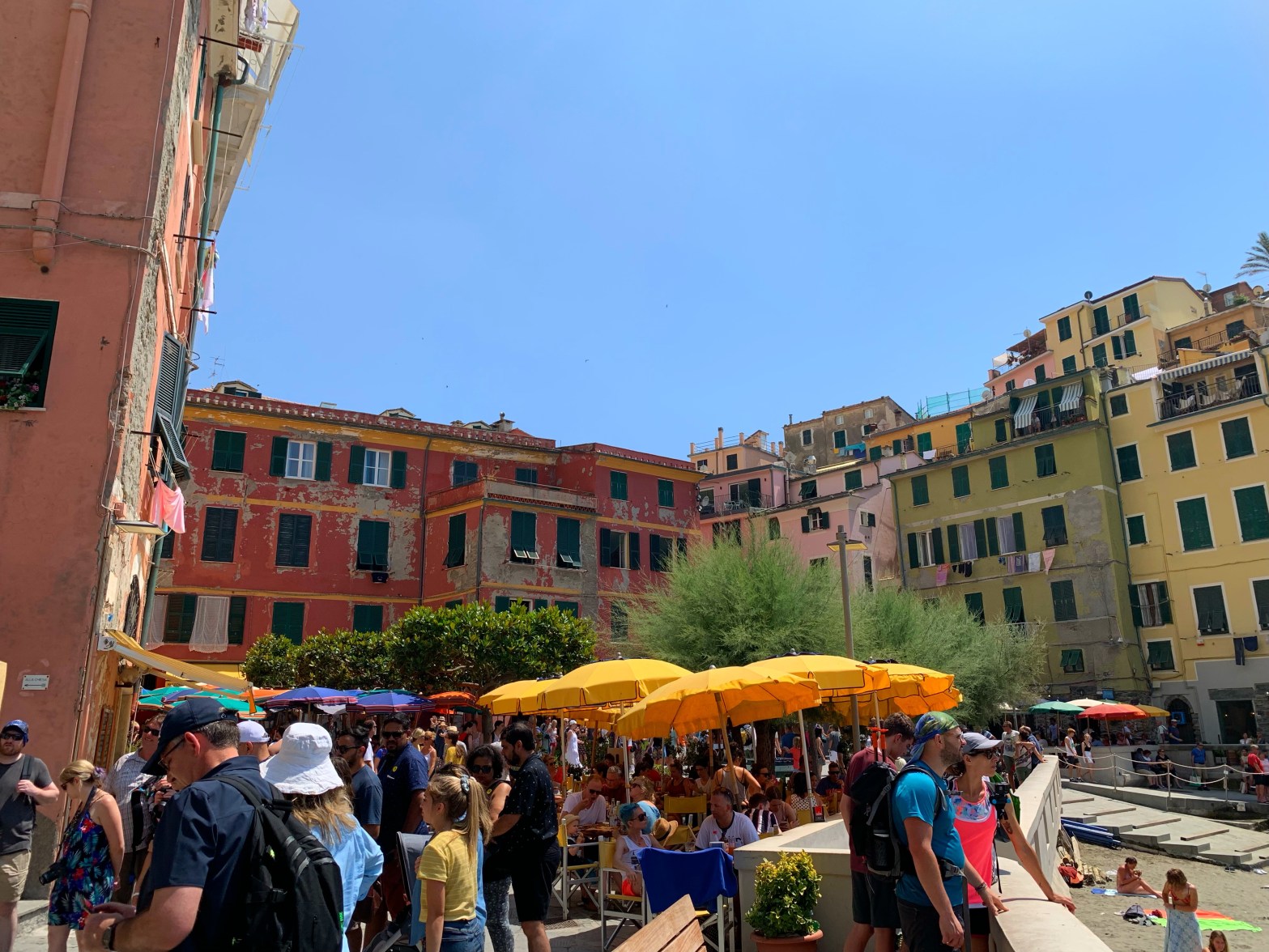
Juggling an online persona on varying platforms has created versions of Michelle that I believe will be appealing or ‘attractive’ to my respective audiences. At the end of the day, the audience is what online identity always comes back to. Who do you want to present yourself to, and what is the intended response from this audience? In my own experience, this differs between social media sites. The biggest juxtaposition? My Linked in VS My Instagram/Facebook.
The difference in bios is truly shocking… Which Michelle would you want to meet? #ALM101 pic.twitter.com/aDwgeq9ZcU
— Michelle Diaz (@Michell04502654) December 20, 2019
On LinkedIn, my aim is to present myself as a respectable young woman who is professional and a suitable work candidate for employers. Contrary to this, my Instagram allows me to explore my fun and quirky side, adding elements of emojis and exciting photos. My audience on Instagram is extended friendship groups and family, and hence, it is important for me to show the best parts of my life in order to maintain a positive image in everyone’s minds. Travel photos, delicious meals and images of my closest friends, all with vibrant filters and colours aim to reinforce the nature of my life and values- enjoying life and seeking pleasure.

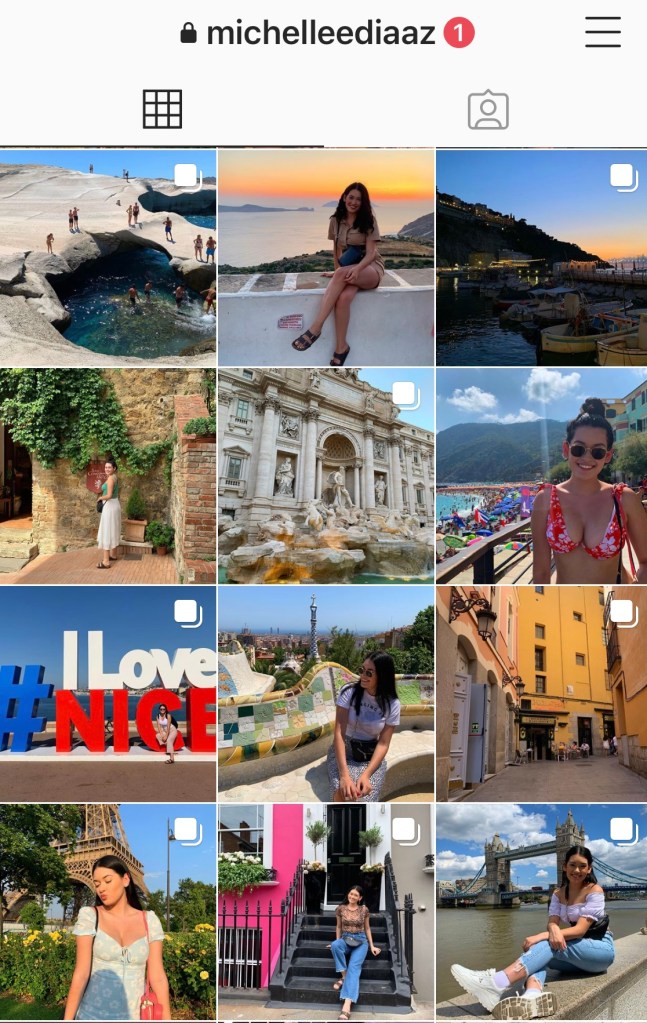
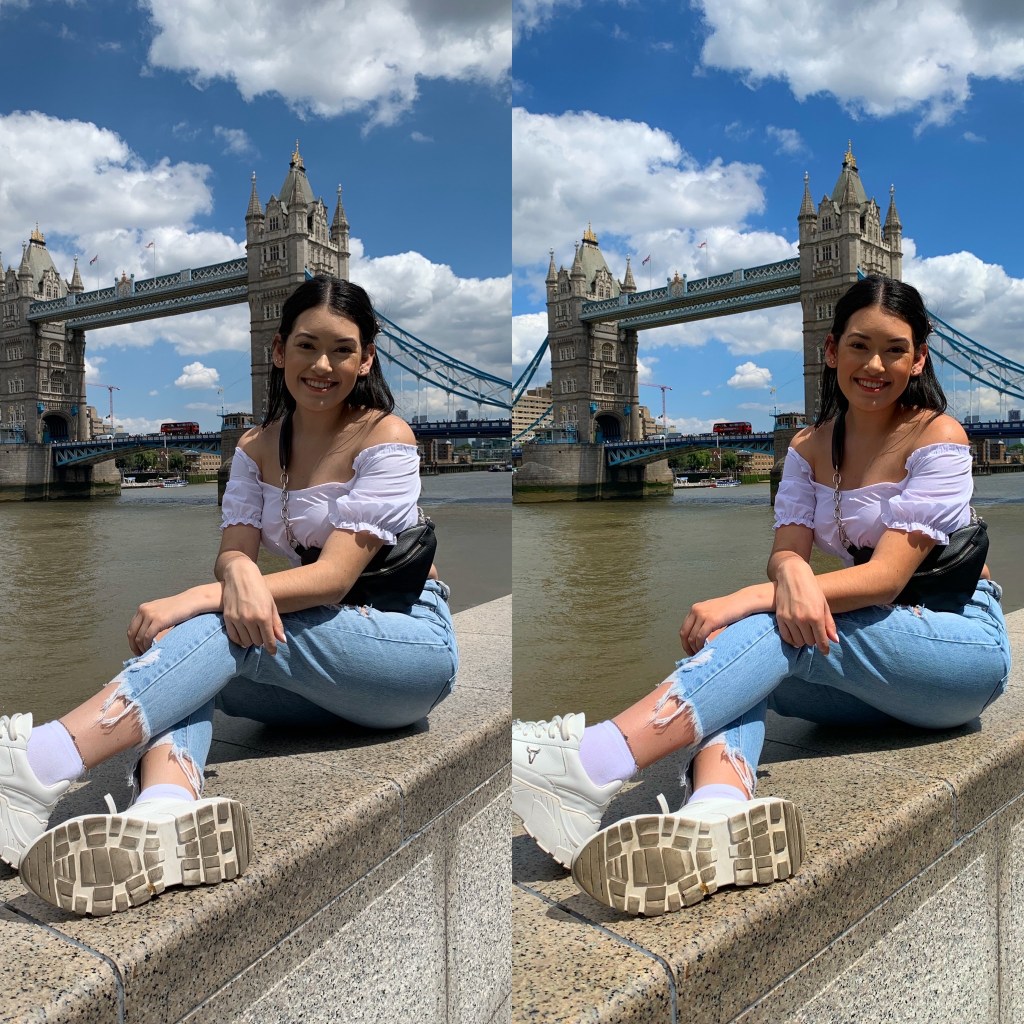
This is the best version of me and my life, just tidied up and made to look ten times more attractive- Thank you FaceTune!
Smith and Watson (2014) claim that “users find online environments potent sites for constructing and trying out versions of self.” (pp. 77) The main tool that helps differentiate which Michelle I wish to portray? My profile picture. The precautions taken when selecting a photo for each site is entirely focused on my audience. Clothing choices, background and facial expression are all factors considered. For example, I wouldn’t set my LinkedIn or Facebook display photo as a 12am snapshot of myself double parked at the bar pulling my best duck face and peace sign. Why? Because the reality is, my audience don’t want to see that version of me. That may be my thing, but there’s no way employers at KPMG or Ernst & Young would search for my name and be impressed. And although I may have a degree, amazing experience and all the skills in the world to be adequate for a particular job, my online persona has the potential to destroy my credibility and categorise my image with all the characteristics that truly, aren’t me.
I have seen this happen many times. As a café manager, recruiting is a process I am increasingly familiar with, and I can’t stress enough how important it is to have a decent profile picture on Facebook. One particular instant stands out to me. Two girls, one job position. Both amazing availability, amazing experience and amazing interviews. The deciding factor between the two? Their Facebook profile. Whilst one had a standard profile picture of herself at a formal occasion, the other boasted a wild night on schoolies. Automatically being associated with alcohol, partying and a particular demeanour, this candidate was quickly snubbed. That’s the power of a profile picture. The power of online identity. Her chosen display of herself on a public site meant that she was instantly judged, and with her profile picture being the first thing you see on her page, it not only became our first impression, it was the only one left.
Honestly, it’s extremely interesting to me to understand why I care so much about the way I’m viewed online. Tailoring myself to what I think society expects or what my audience wants to see is something I find myself continuously making an effort to control. The truth is, my online identity is what defines how I am viewed as an individual, as an employee, as a friend. If I don’t carefully manoeuvre how I look to others online, I am at risk of incorrect portrayal or assumptions.
Today's challenge- Think about who you are. And then think about who you are online. Do these two versions of yourself align?
— Michelle Diaz (@Michell04502654) December 20, 2019
Smith, S and Watson, J 2014, ‘Virtually Me: A Toolbox about Online Self-Presentation’, in Poletti, A and Rak, J, Identity Technologies: Constructing the Self Online, The University of Wisconsin Press, Madison, pp. 70-95
All images produced or created by Michelle Diaz.
This is an example post, originally published as part of Blogging University. Enroll in one of our ten programs, and start your blog right.
You’re going to publish a post today. Don’t worry about how your blog looks. Don’t worry if you haven’t given it a name yet, or you’re feeling overwhelmed. Just click the “New Post” button, and tell us why you’re here.
Why do this?
The post can be short or long, a personal intro to your life or a bloggy mission statement, a manifesto for the future or a simple outline of your the types of things you hope to publish.
To help you get started, here are a few questions:
You’re not locked into any of this; one of the wonderful things about blogs is how they constantly evolve as we learn, grow, and interact with one another — but it’s good to know where and why you started, and articulating your goals may just give you a few other post ideas.
Can’t think how to get started? Just write the first thing that pops into your head. Anne Lamott, author of a book on writing we love, says that you need to give yourself permission to write a “crappy first draft”. Anne makes a great point — just start writing, and worry about editing it later.
When you’re ready to publish, give your post three to five tags that describe your blog’s focus — writing, photography, fiction, parenting, food, cars, movies, sports, whatever. These tags will help others who care about your topics find you in the Reader. Make sure one of the tags is “zerotohero,” so other new bloggers can find you, too.

 Life.. One bite at a time.